By: Group 3
Lachica, Kareem
Mayor, Joseph Demetri
Muros, Elmo Vincent
Perez, Abner Yasser
Recto, Aila Maxinne
Regla, Ashlee
Rojas, Cathlene
Rosas, Analine
Rutor, Shamel
11- STEM NEURONS
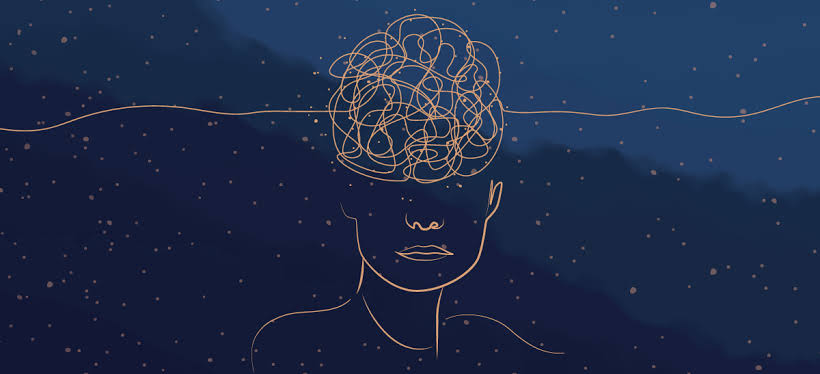
Mental Health Awareness
It is important to be aware of our overall health so that we can detect any symptoms and seek professional help when necessary. While everyone is aware of the symptoms and treatment options for common illnesses that affect their loved ones, many people are unaware of how to care for their own mental health.
The importance of mental health is same as physical health. Just as taking care of our physical health allows us to move and play, taking care of our mental health allows us to deal with the challenges that life throws at us. We can all do our part to raise awareness, and the most important thing is that we try.
Being both physically and emotionally fit is the key to success in all aspects of life. We should be aware of the consequences of mental illness and must give utmost importance to help the mind healthy.
Raising mental health awareness can assist us in understanding our symptoms, locating professional treatment, and, perhaps most importantly, breaking the mental health stigma that causes so many people to suffer in silence.
Mental health awareness increases the likelihood of early intervention, which can lead to a quick recovery. Awareness reduces the negative adjectives that have been assigned to the people who have a mental illness.
What is Mental Illness?
A mental illness is a physical illness of the brain that causes disturbances in thinking, behavior, energy, or emotion, making it difficult to cope with everyday life demands. The complicated causes of these diseases, which can include genetics, brain chemistry, brain structure, trauma, and/or having another medical condition, such as heart disease, are being studied.
Our emotional, psychological, and social well-being all contribute to our mental health. It has an impact on how we think, feel, and act. It also influences how we handle stress, interact with others, and make decisions. Mental health is important at all stages of life, from childhood and adolescence to adulthood.
Mental illnesses cause a great deal of suffering to those experiencing them, as well as their families and friends. Furthermore, these problems appear to be increasing worldwide.
Mental health awareness can benefit the millions of people who are affected by mental health issues. The goal of mental health awareness is to help people suffering from mental illnesses understand that they are not alone in their struggles—and that seeking treatment can make a world of difference. If we took this approach to mental health every day of the year, an increasing number of people would benefit from learning about mental health disorders.
Many people with mental illnesses are unsure how to deal with their symptoms and resort to unhealthy coping mechanisms to alleviate their emotional discomfort. Furthermore, if we have one mental illness that is untreated, we are more likely to develop co-occurring disorders, and we will require dual diagnosis treatment to fully heal these illnesses.
Some common disorders that need more awareness include:
- Generalized anxiety disorder
- Substance use disorders
- Depression
- Bipolar disorder
- Post-traumatic stress disorder
- Schizophrenia
- Suicidal ideation
- Obsessive-compulsive disorder (OCD)
- Paranoia
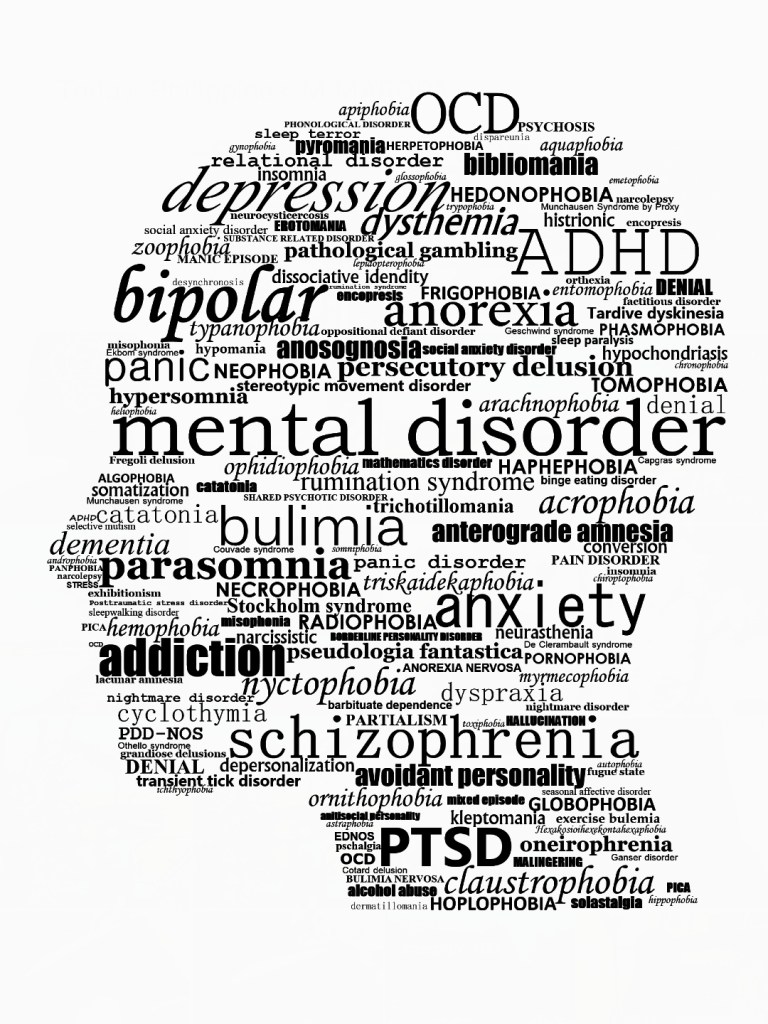
Though the symptoms of each of these mental health conditions vary, they can all have a negative impact on our life. In reality, our mental health has an impact on how we think, feel, and behave. This means that our social, professional, and personal life may suffer as a result.
Thus, according to Sigmund Freud, events in our childhood have a great influence on our adult lives, shaping our personality. In the same vein, our childhood experiences can definitely affect not just our personality but our mental health. The state of a person’s mental health greatly depends upon their past experiences. For instance, victims of child abuse are more likely to have poor mental health compared to children that grew up in a happy and peaceful household. These negative experiences of a child may influence his or her way of thinking as well as his or her actions when the child reaches adulthood. However, there are some who struggle with their mental health, not because of their past experiences, but because of their present situation.
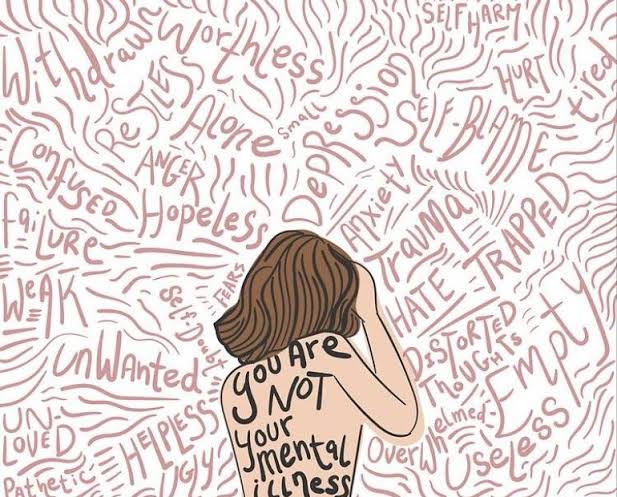
The main barrier when it comes to raising awareness of the topic of mental health is people being judgemental of others struggling with their mental health and not appreciating that all mental health problems are valid, as this can be off putting when it comes to individuals talking about their mental health. One reason why certain mental health struggles get a bad reaction from others is that people aren’t open minded when it comes to mental health problems they barely know anything about.
Avoid stigmatizing people with mental illnesses by focusing on the individual rather than their illness. For people with mental health issues, the social stigma and discrimination they experience can make their problems worse, making it harder to recover. It may cause the person to avoid getting the help they need because of the fear of being stigmatized.
The topics on mental health deserve recognition in this day and age for it plays a vital role in our society when it comes to the relationship of an individual with other individuals. It, somehow, dictates and effects a person’s actions and decisions in a certain way. To fully understand how a person’s mental health affects his or her life, we need to have an open mind in discussing the reasons or causes of one’s actions by taking into account the positive and negative experiences of a person.
How Can Mental Health Awareness Be Beneficial?
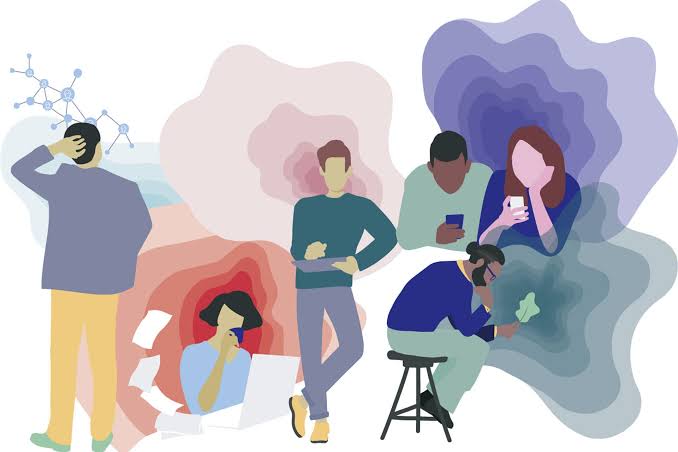
Mental health awareness provides a better understanding of how mental illness can affect a person’s life. Understanding mental health disorders benefits more than just you; it can also benefit your family, friends, or everyone.
“It means recognizing that mental illness affects not only the individual, but everyone from friends and families to entire communities, no matter how big or small.” — Whitney Parrish
The following are the three primary reasons why raising mental health awareness is so important:
1. Learn About Your Symptoms
Many people who suffer from mental health issues are unaware that their problems are the result of untreated disorders.
As a result, mental health awareness can help you understand your symptoms.
If you haven’t felt like yourself lately, you may have a mental health problem that requires immediate attention. After all, the symptoms of mental health disorders can be extremely dangerous for both your emotional and physical health.
2. More Resources on Mental Health
Another significant advantage of raising mental health awareness is that as more people become aware of the need for mental health treatment, more mental health resources become available. People would not be able to recover if mental health resources were not available.
For example, improving access to healthcare. By seeking to empower the communities, medical professionals and patients with appropriate tools, information and skills so that they can make high-quality, informed decisions on prevention, diagnosis, treatment, care, and support.
3. Break the Stigma of Mental Illness
Most importantly, mental health awareness can help to remove the stigma associated with the need for mental health care. Mental illness isn’t widely talked about in many communities due to a lasting stigma that surrounds it. Having a mental health disorder does not imply that you are “crazy.” This stigma predominately comes from a lack of information. In fact, millions of people across the country are affected by mental health issues.
People will realize that they’re not alone if we raise our awareness and seek appropriate mental health care. Having mental health support brings them one step closer to recovery. As more people choose to educate themselves, it will hopefully see a change in the way it is talked about in the community.
Having awareness on our mental health increases knowledge of mental illness. And with more knowledge, there is less stigma.
This means that people who have or suspect that they have mental illnesses may feel more comfortable reaching out for help. Person who live with a family member who has a mental illness will feel more empowered to talk about their experience and look for resources and support.
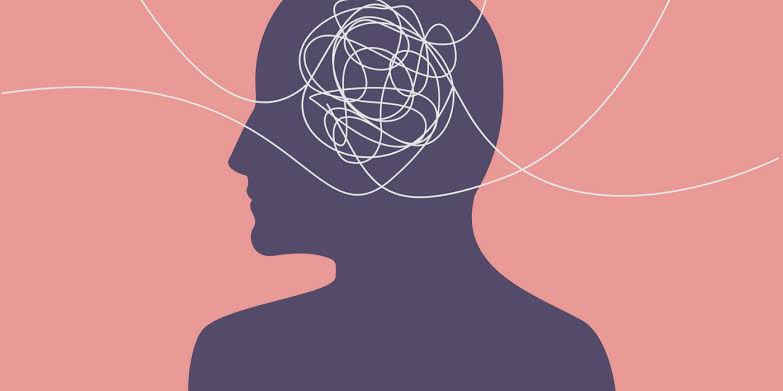
Mental health issues are more common than many people think, and showing support for people with mental health issues can start with raising mental health awareness.
As a society, we must be educated enough to recognize that a physical illness is just as serious as a mental illness. I hope we can create a safe space where people don’t hesitate to seek help, therapy, or treatment because they are afraid of being judged as fake or weak. Mental health awareness must be widely spread in order to create a healthier society.
And to everyone who is suffering from mental illness, please allow yourself to feel the pain, give yourself time to heal, practice self-nourishment and self-love, meditate, use art as therapy, express yourself, vent with someone, and get rid of the negative thoughts in a way that helps you grow. Some days are harder than others, be patient with yourself and allow yourself to be not okay. Recognize your feelings, don’t suppress them; you make sacrifices out of love at times, but don’t set yourself on fire to keep others warm; instead, validate and respect your feelings.
Mental illnesses manifest differently in each individual; instead of passing judgment, engage in a dialogue of understanding. Healing is not a straight line, and life is a roller coaster. Life will sometimes feel amazing, and other times it will bend you until you break, but you can get through it and overcome it. Just keep trying because you are strong, worthy, and deserving of love. Never give up hope. Remember that you are fighting the illness, not the illness fighting you.
“Emotional pain is not something that should be hidden away and never spoken about. There is truth in your pain, there is growth in your pain, but only if it’s first brought out into the open.” — Steven Aitchison
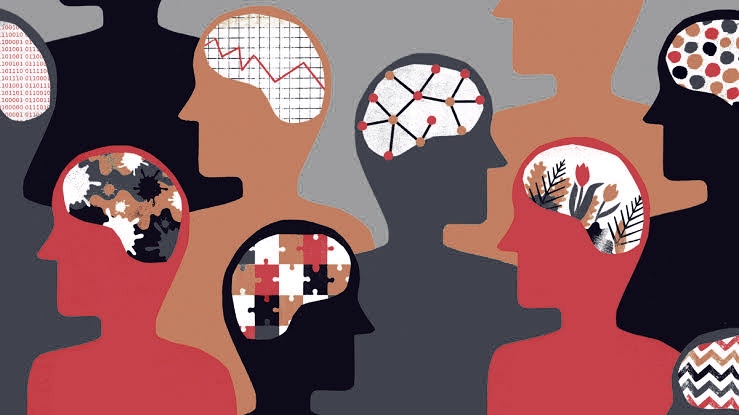
 Mental Health